Unleashing Creativity and Mental Health for Well-Being
The Link Between Creativity and Mental Health
Creativity is often seen as a beautiful, enigmatic force that gives birth to art, innovation, and new perspectives. It can be a source of inspiration and joy, but have you ever considered its impact on your mental and physical well-being? This article delves into the fascinating relationship between creativity and mental health. We'll explore how creative activities can improve your mental health, the health benefits of creativity, and the intriguing link between creativity and mental illness. By the end of this journey, you'll understand why nurturing your creative side is not just an artistic pursuit but a way to enhance your overall health and well-being.
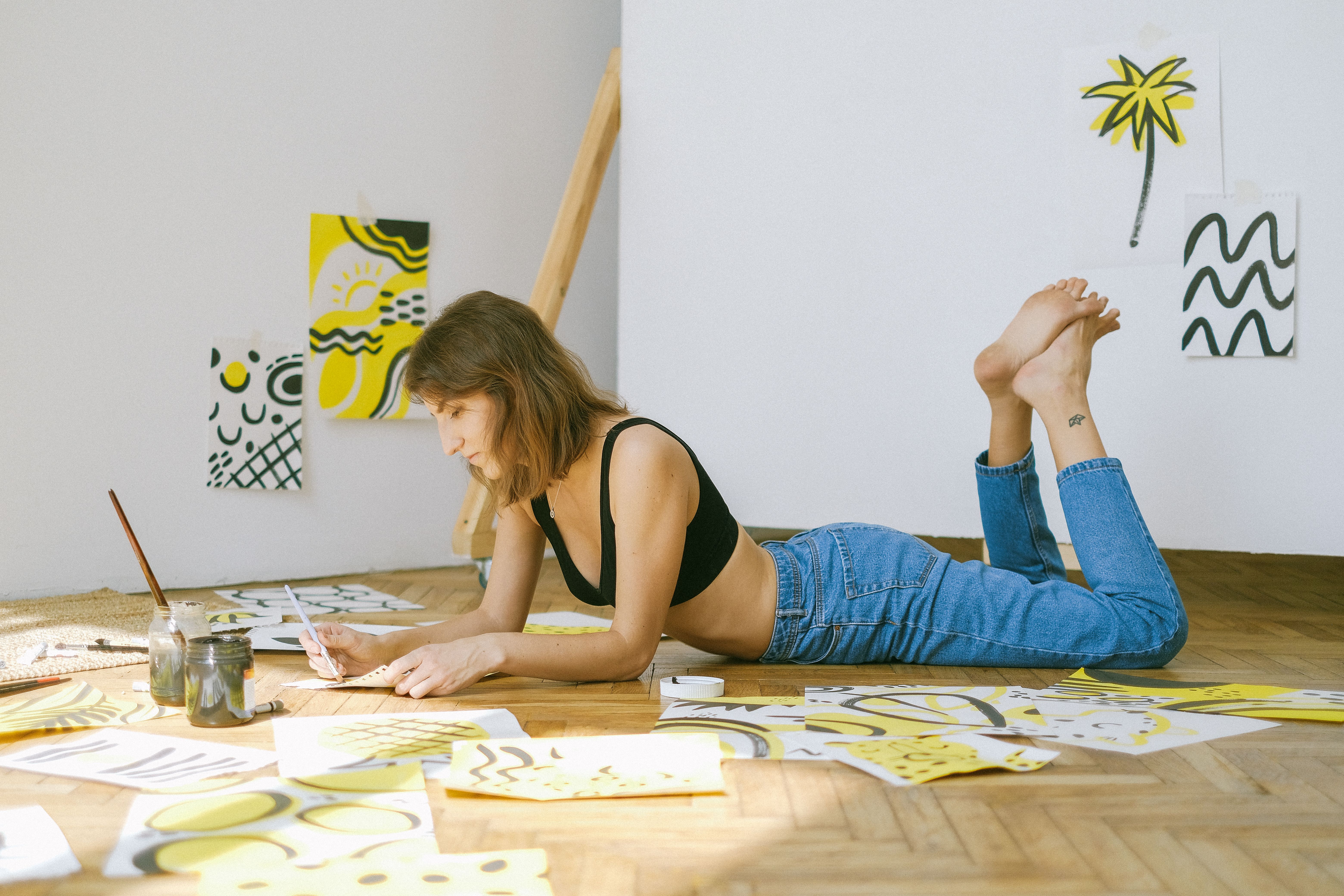
1. Can Creativity Improve Mental Health?
Creativity is more than just a means of artistic expression; it can significantly improve your mental health. Engaging in creative activities like painting, writing, playing music, or even planning parties can help reduce stress and anxiety. These activities encourage you to enter a state of "flow," where you're fully immersed in what you're doing, providing a sense of purpose and fulfillment.
Studies have shown that engaging in creative activities can enhance positive emotions and make us feel happier. Creative thinking can also help improve cognitive functions and contribute to overall emotional health. So, if you're looking for a way to improve your mental well-being, consider dedicating more time to creative endeavors.
2. The Correlation Between Psychopathology and Creativity
The relationship between creativity and mental health is not without its complexities. While creativity can be a powerful tool for improving mental health, there's also a well-documented correlation between psychopathology and creativity. Many renowned artists and writers, like Vincent van Gogh, Sylvia Plath, and Andreasen, have been diagnosed with mental disorders, such as depressive symptoms or bipolar disorder.
Research suggests that individuals with mood disorders like bipolar disorder often experience periods of heightened creativity during episodes of hypomania. In these states, they are more likely to engage in creative activities and achieve creative breakthroughs. This phenomenon has led to the belief that there's an association between certain forms of psychopathology and creativity.
3. Mental Health Benefits of Creative Activities
Engaging in creative activities is not limited to artists and writers; it can benefit everyone. Artistic activities, like painting or journaling, can help individuals who are dealing with anxiety and depression. The act of creating something, whether it's visual art, music, or the written word, can be a form of art therapy.
In a study published in the "American Journal of Psychiatry," Kay Redfield Jamison, a professor of psychiatry at the Johns Hopkins University School of Medicine, found that individuals diagnosed with schizophrenia scored higher on measures of creativity compared to a control group. This suggests that creativity can also be a coping mechanism for individuals with certain mental illnesses.
4. The Positive Impact on Mental Health
Creative individuals often experience a sense of purpose, heightened positive moods, and improved emotional health. Activities such as making art, playing music, or writing have been shown to increase positive emotions. A follow-up study found that "spending time on creative goals" was associated with higher activated positive affect. This means that engaging in creative activities can help individuals experience more positive feelings and emotions.
The process of creating can also be a form of self-expression and release. It allows individuals to express their feelings, thoughts, and experiences in a way that may not be possible through traditional conversation. This emotional outlet can be therapeutic and contribute to improved mental well-being.
5. Encouraging Evidence from Science
The link between creativity and mental health is not just anecdotal; it's backed by scientific evidence. Studies have shown that creativity positively impacts mental and physical health. It's a holistic approach to well-being that goes beyond the traditional concept of health benefits.
Whether you're an artist, writer, musician, or someone who simply enjoys engaging in creative activities, you have a powerful tool at your disposal to enhance your overall health. By embracing your creative side, you can reduce stress, alleviate symptoms of anxiety and depression, and experience a greater sense of fulfillment and emotional well-being.
6. The Holistic Approach to Health and Well-Being
In summary, the relationship between creativity and mental health is a complex and multifaceted one. While there is a correlation between certain forms of psychopathology and creativity, creative activities can also enhance overall mental well-being. By engaging in creative endeavors, individuals can improve their emotional health, reduce stress, and experience a sense of purpose and fulfillment.
Remember these key points:
- Creativity can improve mental health by reducing stress and anxiety.
- There is a correlation between psychopathology and creativity, with many artists and writers having been diagnosed with mental disorders.
- Engaging in creative activities benefits individuals with mood disorders and other mental illnesses.
- Creative activities have a positive impact on mental health, increasing positive emotions and emotional health.
- The link between creativity and mental health is supported by scientific evidence.
So, don't underestimate the power of your creative side. It's not just a means of self-expression; it's a path to better mental and physical well-being. Whether you find peace in painting, music, writing, or any other creative pursuit, remember that nurturing your creativity is a way to enrich your life and enhance your health.
7. Elevating Mood Through Creative Expression
The power of creativity in nurturing mental health and well-being is undeniable. Engaging in creative endeavors, such as painting, writing, or playing music, serves as a therapeutic outlet to process negative emotions and promote an overall sense of well-being. The act of creating allows individuals to enter a flow state, a space where they are wholly absorbed in the creative process. This state of heightened engagement contributes to a sense of achievement and contentment, thus significantly enhancing well-being.
8. Music's Role in Enhancing Well-Being
The harmonious tunes of music are not only a treat for the ears but also a tonic for the mind. Whether you're composing music, learning an instrument, or simply savoring your favorite melodies, music has a profound impact on your emotional well-being. Studies have shown that music has the capacity to reduce symptoms of anxiety and depression, making it an invaluable tool for improving mental health and well-being.
Playing music, even as an amateur, can lead to a sense of purpose and satisfaction. Learning to play an instrument, regardless of your skill level, offers an opportunity to connect with your inner creativity and enjoy the sheer pleasure of making music.
9. The Healing Potential of Art Therapy
Art therapy stands out as a specialized field that harnesses the healing power of creative expression. This therapeutic approach utilizes various forms of artistic engagement under the guidance of a skilled therapist to help individuals cope with emotional and psychological challenges. Art therapy is particularly beneficial for those who struggle to articulate their feelings in words.
By engaging in this form of therapy, individuals can effectively address a wide range of mental health issues, including anxiety, depression, and the effects of trauma. The act of artistic expression creates a safe and supportive space for exploring and processing emotions, contributing to an enhanced sense of mental well-being and overall health.
10. The Intersection of Yoga and Creativity
Yoga exercises are renowned for their calming and centering effects on the mind and body. However, it's worth noting that yoga can also be a catalyst for enhanced creativity. The practice of yoga encourages a state of mindfulness, a foundation for creative thinking. Additionally, yoga is recognized for its ability to alleviate symptoms of stress and anxiety, fostering inner peace and tranquility.
When combined with creative activities like journaling or art, yoga and creative endeavors create a powerful synergy that positively influences mental health and well-being. The reflective and meditative aspects of yoga inspire fresh ideas, making it an excellent vehicle for generating new perspectives and solutions to life's challenges.
In summary, the intricate relationship between creativity and mental health is a dynamic, multifaceted one, encompassing a broad spectrum of creative activities. From visual arts to music, art therapy, and the union of yoga with creativity, each avenue plays a pivotal role in fostering improved mental health and emotional well-being. The core message is clear—creativity isn't just a wellspring of inspiration but a bridge to better mental health and well-being. By nurturing your creative side, you unlock the potential for emotional release, equilibrium, and an overall enhancement of your mental and physical health.


