The Ultimate Herbal Medicine Encyclopedia: A Comprehensive Guide to Herbal Remedies and NCCIH Insights
The Ultimate Guide to Herbal Medicine: Navigating the
World of Herbal Remedies
Herbal medicine has been a part of human
history for centuries, offering a natural and holistic approach to healing. In
this comprehensive guide, we delve into the world of herbal medicine, exploring
the benefits, potential risks, and the best ways to incorporate herbal remedies
into your life. Whether you're a seasoned herbal enthusiast or a newcomer
curious about the power of plants, this guide aims to provide valuable insights
into the realm of herbal healing.
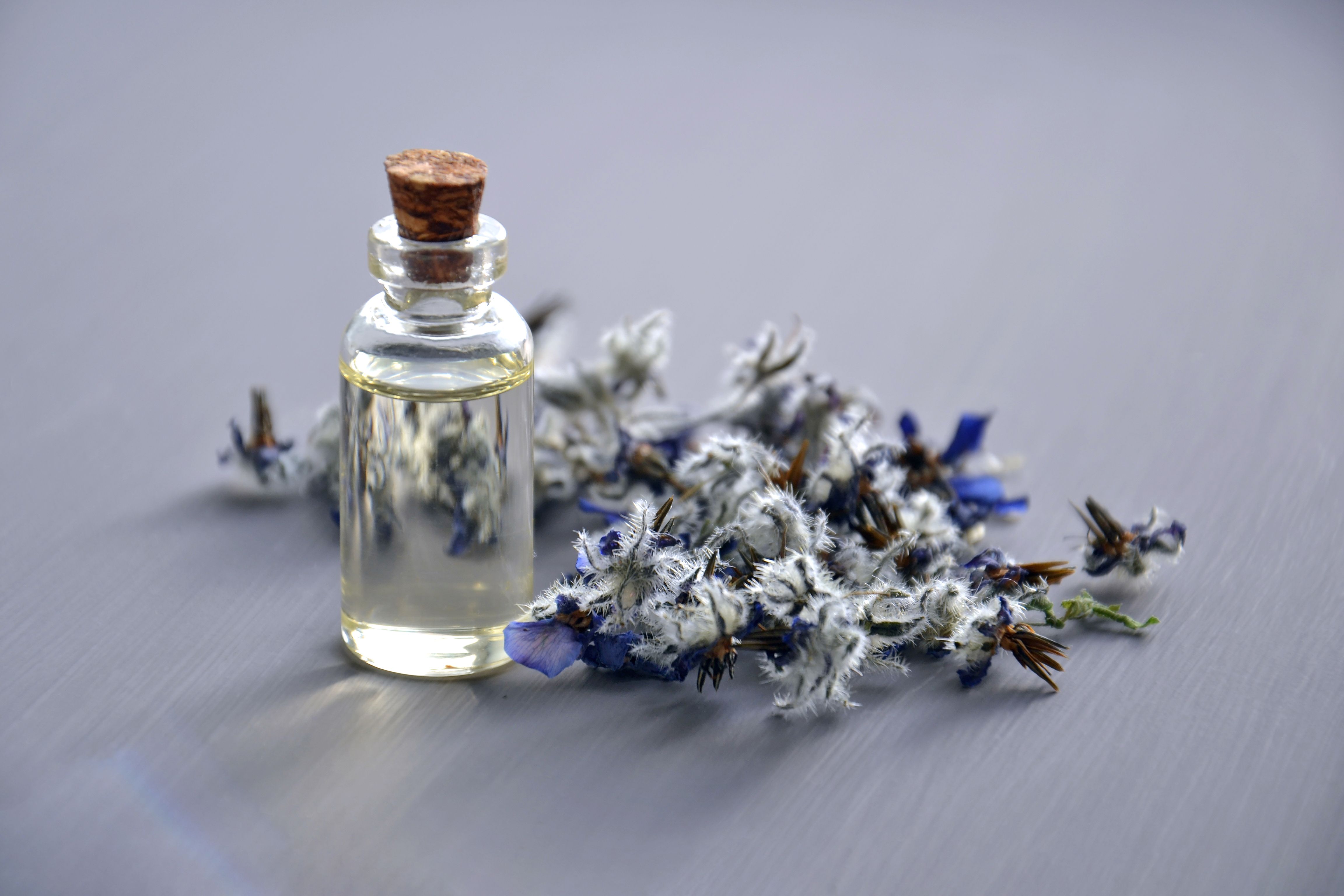
1. Understanding Herbal Medicine: A Holistic Approach
Herbal medicine, also known as
phytotherapy, involves the use of plants and plant-based substances to promote
health and address various ailments. The term "herb" refers to any
plant or plant part used for its therapeutic properties. In this section, we'll
explore the fundamental principles of herbal medicine and how it differs from
conventional approaches.
Herbal remedies often serve as
complementary and alternative options, working in conjunction with conventional
treatments. This integration allows for a holistic approach to health,
considering the mind, body, and spirit. The National Center for Complementary
and Integrative Health (NCCIH) recognizes the importance of herbal medicine in
achieving overall well-being.
2. Navigating the Herbal Landscape: A Guide to Herbal
Supplements
As interest in herbal medicine grows, so
does the availability of herbal supplements. This section serves as a guide to
herbal supplements, offering insights into herbal products, their uses, and
potential benefits. We'll explore popular medicinal herbs and their
applications, giving you a comprehensive overview of the herbal landscape.
2.1 Herbs at a Glance: Quick Insights into Medicinal Herbs
Herbs come in various forms, each with its
unique set of benefits. From echinacea's immune-boosting properties to
ginseng's adaptogenic qualities, understanding herbs at a glance is crucial.
We'll delve into the uses of popular medicinal herbs, providing a quick
reference for those looking to enhance their well-being.
2.2 Choosing Herbal Remedies Safely: A Primer
While herbal remedies offer numerous
benefits, using them safely is paramount. This section addresses key
considerations when choosing herbal remedies, including potential interactions
with prescription drugs, managing high blood pressure, and the importance of
consulting with a health care provider. Your safety is our priority.
2.3 Buying Herbal: A Consumer's Guide
The market is flooded with herbal products,
and choosing the right ones can be overwhelming. This section offers practical
advice on buying herbal products, including what to look for on labels,
understanding herbal combinations, and ensuring the quality and authenticity of
the products you purchase.
3. Exploring Specific Herbal Remedies: Echinacea, Ginseng,
and More
To truly grasp the power of herbal
medicine, it's essential to explore specific remedies and their applications.
In this section, we'll take a closer look at some standout herbs, including
echinacea, ginseng, goldenseal, and gingko. Understanding the unique properties
of each herb empowers you to make informed decisions about incorporating them
into your wellness routine.
3.1 Echinacea: A Potent Immune-Boosting Herb
Echinacea is renowned for its ability to
bolster the immune system, making it a popular choice during cold and flu
seasons. We'll delve into the history, uses, and potential benefits of
echinacea, providing you with a comprehensive understanding of this herbal
powerhouse.
3.2 Ginseng: An Adaptogenic Tonic for Stress
Ginseng, a staple in traditional Chinese
medicine, acts as an adaptogen, helping the body cope with stress and maintain
balance. This section explores the various types of ginseng, their
applications, and precautions to ensure you harness the full benefits of this
tonic herb.
3.3 Goldenseal and Gingko: Herbal Allies for Cognitive
Health
Goldenseal and gingko are celebrated for
their potential cognitive benefits. From supporting memory and concentration to
addressing mild to moderate depression, these herbs have a rich history of use.
We'll uncover the mechanisms behind their effectiveness and provide insights
into their safe and optimal usage.
4. Ensuring Safety: Interactions, Side Effects, and
Precautions
While herbal remedies offer natural
solutions, it's crucial to be aware of potential interactions, side effects,
and precautions. This section explores how herbs may interact with conventional
medicines, the importance of dosage, and the need to watch for side effects.
Your safety is paramount, and understanding these considerations ensures a
positive experience with herbal medicine.
5. The Future of Herbal Medicine: Regulation and
Integration
As interest in herbal medicine continues to
grow, so does the need for proper regulation and integration into mainstream
healthcare. This section explores the current state of regulation, the actions
of each herb, and the role of complementary and alternative medicine in shaping
the future of healthcare.
Conclusion: Harnessing the Power of Nature for Well-Being
In conclusion, herbal medicine offers a
vast and intricate landscape of healing possibilities. By understanding the
principles, exploring specific remedies, and prioritizing safety, you can
embark on a journey of holistic well-being. As you venture into the world of
herbal medicine, remember to consult your health care provider, watch for side
effects, and approach herbal remedies with the respect they deserve.
Key Takeaways
·
Herbal medicine embraces a
holistic approach to health, considering the mind, body, and spirit.
·
Herbal supplements offer a
diverse range of benefits, but it's crucial to choose and use them safely.
·
Understanding specific herbs,
such as echinacea, ginseng, goldenseal, and gingko, allows for targeted
wellness strategies.
·
Safety is paramount in herbal
medicine, with considerations for interactions, side effects, and proper
regulation.
·
The future of herbal medicine
lies in its integration into mainstream healthcare, offering natural
alternatives for overall well-being.


