10 of the best way to reduce stress
10 Ways to Reduce Stress and Improve Your Well-being

Stress is an inevitable part of life. Whether it's the demands of work, personal relationships, or unexpected challenges like the COVID-19 pandemic, stress can creep into our lives and take a toll on our mental and physical health. But fear not, for there are effective ways to reduce and manage stress. In this comprehensive guide, we will explore 10 proven methods to help you reduce stress, relieve tension, and boost your overall well-being.
Understanding Stress: What Is It and Why Is It Worth
Managing?
Before we dive into the strategies to
reduce stress, let's first understand what stress is and why it's crucial to
manage it effectively.
What Is Stress?
Stress is your body's natural response to
any demand or challenge. It's often referred to as the "fight or
flight" response, which triggers various physiological changes in your
body to prepare you to either confront the challenge or run away from it.
The Stress Hormone: Cortisol
One of the key players in the stress
response is cortisol, a hormone released by your adrenal glands. In small
doses, cortisol is essential for your body's functioning, but chronically
elevated levels can have detrimental effects on your health.
The Impact of Stress on Your Health
Stress can affect both your mental and
physical health. It's associated with a range of issues, including anxiety,
depression, and physical health problems. High stress levels can lead to
insomnia, unhealthy habits, and emotional well-being issues.
The Good and Bad of Stress
Not all stress is bad. Some stress, known
as "good stress" or "eustress," can motivate you and
enhance your performance. However, when stress becomes chronic and
overwhelming, it turns into "distress" and can negatively impact your
well-being.
Now that we've gained some insights into
stress, let's explore ten effective ways to reduce it and improve your overall
health.
1. Deep Breathing: A Stress Reliever You Can Do Anywhere,
Anytime
Deep breathing is a simple yet powerful
technique to reduce stress. It's something you can do anywhere, at any time,
and it doesn't require any special equipment or training.
How
It Works: Deep breathing triggers your body's
relaxation response. When you take slow, deep breaths, it signals your brain to
calm down and reduces the production of stress hormones like cortisol.
Try
These Tips: Find a quiet space, sit or lie down
comfortably, and close your eyes. Inhale deeply through your nose for a count
of four, hold your breath for a count of four, and then exhale slowly through
your mouth for a count of six. Repeat this cycle several times.
2. Mindfulness Meditation: Calm Your Mind and Reduce
Stress
Mindfulness meditation is a practice that
involves paying focused, non-judgmental attention to the present moment. It's a
powerful tool for managing and reducing stress.
How
It Works: Mindfulness meditation helps you become
more aware of your thoughts and feelings without reacting to them. It allows
you to stay present and reduce rumination, a common source of stress.
Try
These Tips: Find a comfortable, quiet spot to sit
or lie down. Close your eyes and focus your attention on your breath. When your
mind wanders, gently bring it back to your breath. Start with short sessions
and gradually extend the duration.
3. Regular Physical Activity: Boost Your Mood and Reduce
Stress
Physical activity is not only great for
your physical health but also your mental well-being. Engaging in regular
exercise can be a powerful stress reliever.
How
It Works: Exercise releases endorphins, which are
natural mood lifters. It also helps reduce muscle tension and improve blood
flow, which can counteract the physical symptoms of stress.
Try
These Tips: Find an activity you enjoy, whether
it's walking, jogging, swimming, or dancing. Aim for at least 30 minutes of
moderate exercise most days of the week. Even short bursts of activity can
help.
4. Healthy Diet: Fuel Your Body to Manage Stress
What you eat can have a significant impact
on your stress levels. A balanced, nutritious diet can help you cope with
stress more effectively.
How
It Works: Certain foods, like whole grains and
foods rich in vitamins and minerals, can help lower cortisol levels and reduce
stress. Conversely, a diet high in fat and sugar can contribute to stress.
Try
These Tips: Incorporate whole grains, fruits,
vegetables, lean proteins, and healthy fats into your diet. Avoid excessive
caffeine and limit your intake of processed and sugary foods.
5. Sleep: Prioritize Quality Rest to Beat Stress
Getting enough quality sleep is crucial for
managing stress. When you're well-rested, you're better equipped to cope with
life's challenges.
How
It Works: Sleep is when your body repairs and
rejuvenates itself. Lack of sleep can increase stress levels and make you feel
overwhelmed.
Try
These Tips: Create a sleep-friendly environment by
keeping your bedroom cool, dark, and quiet. Establish a regular sleep schedule
and aim for 7-9 hours of sleep each night.

6. Connect with Others: Lean on Your Support System
Social connections are essential for
emotional well-being. Sharing your thoughts and feelings with friends and
family can provide comfort and reduce stress.
How
It Works: Talking to someone you trust can help put
things in perspective and alleviate feelings of isolation. A strong support
system can also offer practical help when needed.
Try
These Tips: Make an effort to stay connected with
friends and family, even when you're busy. Reach out when you need someone to
talk to, and be there for others in return.
7. Stress Reduction Techniques: Find What Works for You
In addition to the techniques mentioned
above, there are many other stress reduction strategies you can explore.
How
It Works: Different techniques work for different
people, so it's important to find what resonates with you. Some options include
yoga, tai chi, progressive muscle relaxation, and journaling.
Try
These Tips: Experiment with various stress
reduction techniques and see which ones help you relax and feel better.
Incorporate them into your daily or weekly routine.
8. Seek Professional Help: Don't Hesitate to Ask for
Support
If you're struggling to manage and reduce
stress on your own, it's okay to seek help from a mental health professional.
How
It Works: Therapists and counselors can provide
valuable tools and strategies to cope with stress, anxiety, and depression.
Try
These Tips: If you feel overwhelmed or notice a
significant impact on your daily life due to stress, reach out to a mental
health professional. They can provide guidance tailored to your specific needs.
9. Practice Time Management: Take Control of Your Schedule
Feeling overwhelmed by a never-ending to-do
list can contribute to stress. Effective time management can help you regain
control.
How
It Works: Prioritizing tasks, setting realistic
goals, and breaking large projects into smaller steps can make your workload
more manageable and reduce stress.
Try
These Tips: Use tools like to-do lists, calendars,
and time-tracking apps to help you organize your tasks and make the most of
your time.
10. Put Things in Perspective: Reframe Your Thoughts
Sometimes, stress is a result of how we
perceive and interpret events. By changing your perspective, you can reduce its
impact.
How
It Works: Instead of catastrophizing or magnifying
stressors, try to reframe your thoughts in a more positive and realistic way.
This can help you better cope with challenges.
Try
These Tips: When you catch yourself thinking
negatively or catastrophizing, take a step back and consider alternative
perspectives. Ask yourself if the situation is as bad as it seems or if there
might be potential solutions you haven't considered.
Bullet Point Summary: Key Takeaways to Remember
·
Stress is a natural response to
life's demands, but chronic stress can have detrimental effects on your mental
and physical health.
·
Cortisol, the stress hormone,
plays a significant role in your body's stress response.
·
Stress can impact your mental
and physical health, leading to issues like anxiety, depression, insomnia, and
unhealthy habits.
·
Not all stress is bad; some
stress can motivate you and enhance your performance.
·
Deep breathing, mindfulness
meditation, regular physical activity, a healthy diet, and quality sleep are
effective ways to reduce stress.
·
Building and maintaining social
connections can provide emotional support and reduce feelings of isolation.
·
Experiment with various stress
reduction techniques to find what works best for you.
·
Seeking help from a mental
health professional is a valuable option if you're struggling to manage stress
on your own.
·
Effective time management can
help you regain control over your schedule and reduce stress.
·
Reframing your thoughts and
putting things in perspective can help you cope with challenges and reduce
stress.
Incorporating these strategies into your
daily life can help you manage and reduce stress, leading to improved mental
and physical well-being. Remember that stress is a part of life, but with the
right tools and techniques, you can build resilience and better navigate the
challenges that come your way.
By prioritizing self-care, seeking support
when needed, and adopting a positive mindset, you can not only reduce stress
but also enhance your overall quality of life. Start implementing these
stress-reduction methods today, and you'll be on your way to a healthier,
happier you.
A bonus to get rid of stress effectively :
In the quest to manage and relieve stress,
one product stands out as a powerful ally: Restilen. If you've been searching
for ways to deal with stress and anxiety, this supplement could be a
game-changer. Restilen offers a unique blend of natural ingredients carefully
designed to help reduce stress and improve your overall well-being.
With Restilen, you don't have to worry
about stress getting the better of you. It helps you become more resilient in
the face of life's challenges. By taking just 10 minutes a day to incorporate
Restilen into your routine, you can effectively lower stress levels and protect
both your mental and physical health.
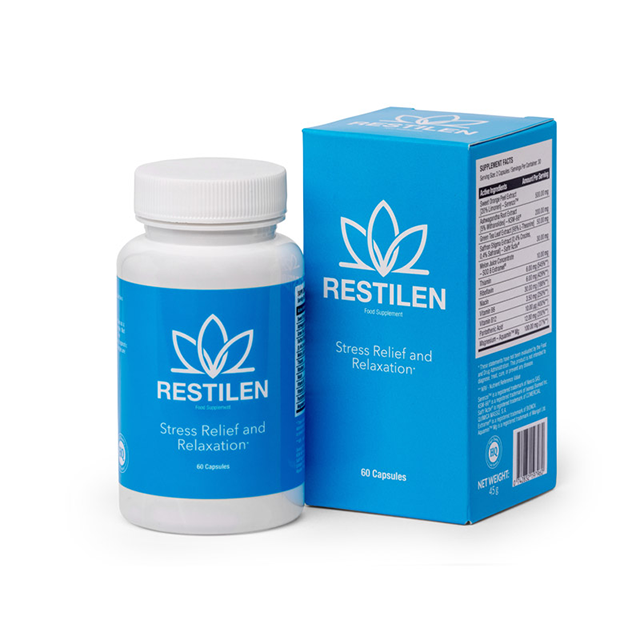
One of the key advantages of Restilen is
its ability to help lower blood pressure, which is crucial for heart health.
It's not just about feeling better; it's about ensuring that stress doesn't
adversely affect your health in the long run. Plus, Restilen is completely safe
and doesn't contain harmful substances like excessive caffeine or illegal
additives.
If you're tired of feeling overwhelmed and
seeking healthy ways to cope with stress, Restilen may also help improve your
mood and reduce the causes of stress in your life. Don't hesitate to give it a
try and experience the positive effects on your body and mind. Remember, it's
okay to ask for help in managing stress, and Restilen can be the support you
need to lead a stress-free life while staying up to date with your well-being.
So, why wait? Take that first step towards a more relaxed and stress-free you with
Restilen's 10 ways to relieve stress.


